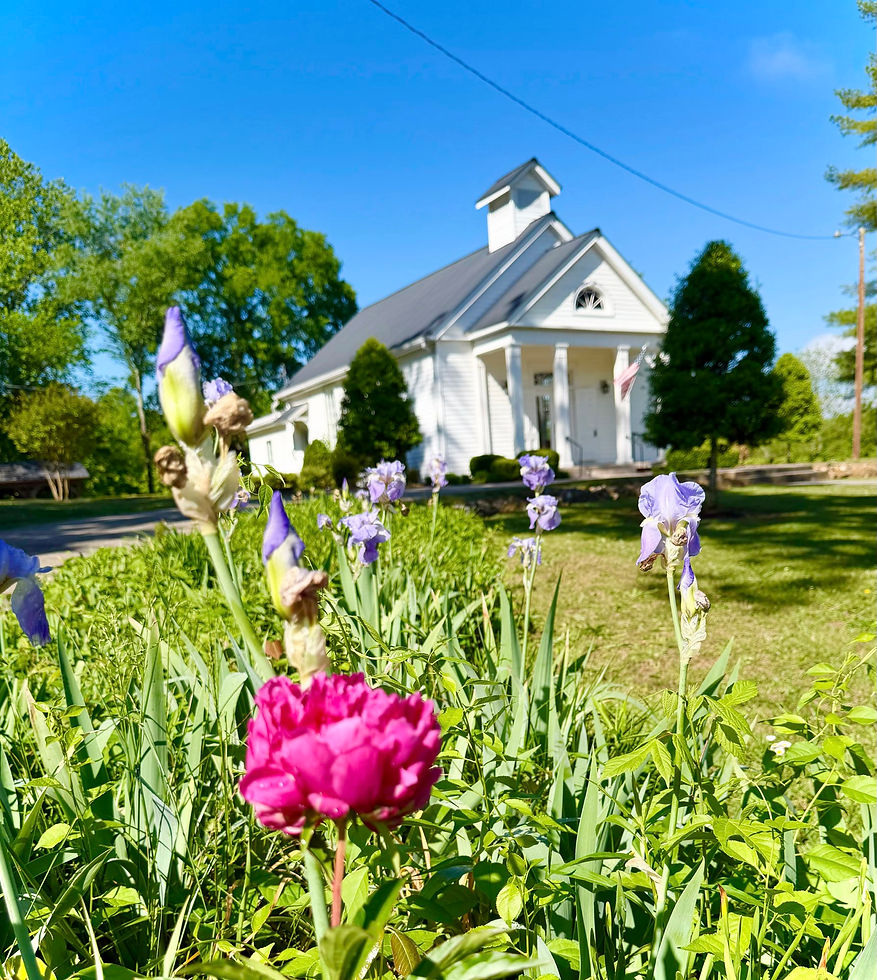
The Hidden Hand of God in Esther

This Sunday’s message walked us through the book of Book of Esther, not merely as history, but as an invitation to witness the quiet providence of God.
One of the striking realities of Esther is that the name of God is never explicitly mentioned, and yet His presence is woven through every chapter. Behind every banquet, every delay, every reversal, and every seemingly ordinary decision, His hand is moving.
The story begins with Queen Vashti’s removal, opening the way for Esther, a Jewish orphan raised by Mordecai, to be placed in the palace and eventually crowned queen (Esther 1–2). What appeared to be political movement was, in truth, divine positioning.
When Haman rose to power and plotted to destroy the Jewish people because of his hatred toward Mordecai, the threat became national and deadly (Esther 3). In that moment Mordecai challenged Esther with the words that still echo through generations:
“And who knows whether you have not attained royalty for such a time as this?” (Esther 4:14)
Esther responded not with panic, but with fasting, courage, and obedience. She stepped into risk for the sake of her people, trusting that God was present even when unseen.
The turning point came not through spectacle, but through providence: a sleepless night for the king (Esther 6), a remembered act of loyalty by Mordecai, and the unraveling of Haman’s pride through the very gallows he built for another.
What Haman intended for destruction, God turned for deliverance.
The message reminded us that God’s providence often works behind the scenes. His silence is not absence. His hiddenness is not abandonment.
Like Esther, there are moments when we stand in uncertain places, unable to see the full picture, yet called to act with courage.
The sermon closed by connecting Esther’s story to the promises of Scripture:
“If God is for us, who can be against us?” (Epistle to the Romans 8:31)
and
“Be strong and courageous… for the Lord your God is with you wherever you go.” (Book of Joshua 1:9)
The central truth was clear: even in darkness, even in uncertainty, even when God seems hidden, He is never absent. Like a father watching over his child through the night, God remains present, guarding, guiding, and working all things according to His purpose.
Faith does not always mean seeing clearly. Sometimes it means trusting the One who sees clearly for us.


Comments